
Disclosure: This post contains affiliate links. If you purchase through these links, I may earn a small commission at no extra cost to you. Thank you for supporting my blog! 💕
As the frost of winter begins to recede and the first signs of spring emerge, homeowners everywhere are looking for ways to refresh their living spaces. There is a specific aesthetic that has captured the hearts of interior designers and homeowners alike: the fusion of sleek, contemporary lines with the raw, untamed beauty of nature. This style, known as Organic Modern Decor, is more than just a passing trend; it is a lifestyle shift towards sustainability, tranquility, and intentional living. By blending the structured elegance of modernism with the tactile warmth of natural materials, you can create a home that feels both sophisticated and deeply grounded in the earth.
The appeal of this aesthetic lies in its balance. Traditional modernism can sometimes feel sterile or cold, characterized by sharp angles and synthetic materials. Conversely, purely rustic or organic styles can occasionally lack the refinement needed for a high-end feel. This approach bridges that gap, offering the best of both worlds. In this massive guide, we will explore how you can transition your home for the spring season, utilizing natural light, earthy color palettes, and sustainable materials to create a sanctuary that breathes with the season. Whether you are looking to do a full renovation or simply add a few seasonal touches, understanding the principles of this style is the first step toward a more harmonious home life.
Spring is the perfect time for this transition. It is a season of rebirth and renewal, making it the ideal moment to clear out the clutter and introduce elements that celebrate the natural world. From reclaimed wood furniture to handmade ceramic vessels, the options are endless. Let us dive deep into the specific elements that make this style so compelling and how you can implement them in every room of your house to achieve a look that is timeless yet perfectly contemporary.
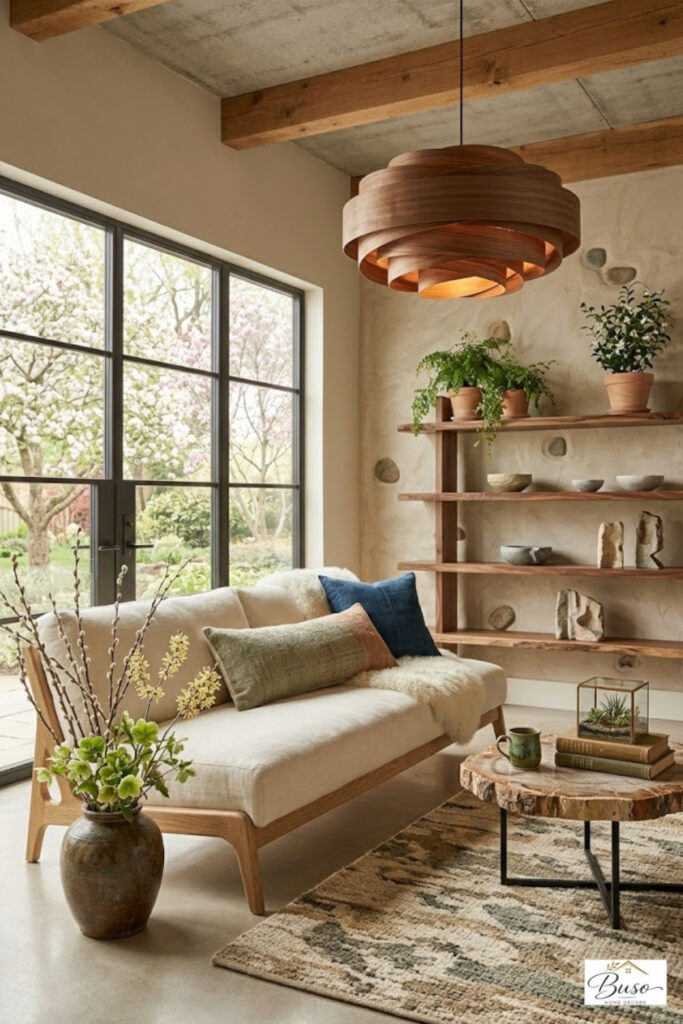
The Core Philosophy of Natural Minimalism
To truly master the art of Organic Modern Decor, one must first understand its underlying philosophy. At its heart, this style is about the ‘softening’ of modernism. It takes the minimalist mantra of ‘less is more’ and adds a layer of ‘warmth is everything.’ This is achieved by prioritizing materials that have a story to tell, items that show the grain of the wood, the weave of the fabric, or the patina of old stone. When we look at beautiful modern decor, we often see a focus on silhouette. In the organic version of this style, those silhouettes are often inspired by nature itself, featuring soft curves and irregular shapes rather than rigid, geometric grids.
Why is this philosophy so popular right now? In an increasingly digital world, we crave tactile experiences. We want to touch surfaces that feel real and authentic. This spring, the focus is on creating environments that reduce stress and foster a connection to the environment. This means moving away from mass-produced plastic and toward artisan-crafted pieces. These modern decor choices reflect a conscious decision to slow down and appreciate the craftsmanship behind the items we bring into our private spaces.
Implementation begins with a clean slate. Neutral color palettes are the foundation, but they are never flat. Instead of a stark, hospital white, we look toward warm whites, soft creams, and sandy beiges. These colors act as a canvas for the natural textures to shine. When you walk into a room designed with these principles, it should feel like a deep breath of fresh air. It is about creating a flow that feels effortless, where every piece has a purpose and a place, but nothing feels overly staged or untouchable.
Essential Materials: Wood, Stone, and Textiles
The success of any interior design project hinges on the materials used. For those seeking the best modern decor, the focus for spring 2024 is on materiality. Wood remains the undisputed king of this style, but the finish is what matters most. We are moving away from high-gloss lacquers and toward matte, oil-rubbed, or raw finishes that showcase the natural grain. Reclaimed oak, walnut, and light ash are particularly popular for spring, as they bring a sense of lightness and airiness to a room.
Stone is another critical element. While marble has long been a staple of modern design, the organic trend favors stones with more character and less polish. Travertine, with its porous surface and earthy tones, is making a massive comeback. Similarly, limestone and slate can be used for coffee tables, side tables, or even decorative bowls to add a sense of weight and permanence to a space. These materials feel cool to the touch and help ground the lighter, more ethereal elements of spring decor.
Textiles are where the comfort factor truly comes into play. For the perfect modern decor, look for high-quality natural fibers. Linen is the hero fabric for spring. Its natural wrinkles and breathability make it ideal for curtains, bedding, and slipcovers. Jute and sisal are excellent for rugs, providing a coarse texture that contrasts beautifully against smooth wooden floors. Boucle, while still popular, is being used more sparingly in favor of flat-weave wools and cotton canvases. The goal is to layer these textures to create visual interest without relying on heavy patterns or bold colors. By mixing the roughness of a jute rug with the softness of a linen throw, you create a sensory experience that feels rich and multi-dimensional.
Spring Color Palettes: Beyond Basic Neutrals
While the foundation of Organic Modern Decor is inherently neutral, the spring season allows for the introduction of subtle, nature-inspired hues. This year, we are seeing a shift toward ‘earthy pastels.’ Think of the colors you would see on a hike in the early spring: the pale green of new leaves, the soft terracotta of sun-baked clay, and the muted blue of a misty morning sky. These colors are not vibrant or neon; they are desaturated and calm, designed to blend seamlessly with wood and stone.
Sage green is perhaps the most important accent color for this spring. It acts as a bridge between the indoors and the gardens outside. Incorporating sage green through throw pillows, ceramic vases, or even a statement armchair can instantly refresh a room. Terracotta and ochre add a necessary warmth, preventing the space from feeling too cool or detached. These shades work best when used in small doses, allowing the primary neutral palette to maintain its dominance.
To achieve the perfect modern decor look, consider the ’60-30-10′ rule. Sixty percent of your room should be your primary neutral (like a warm white), thirty percent should be your secondary texture or material (like light wood), and ten percent should be your accent color (like sage or terracotta). This balance ensures that your space feels cohesive and curated rather than cluttered. Lighting also plays a huge role in how these colors are perceived. As the days grow longer, take advantage of natural sunlight. Use sheer window treatments that allow light to filter through, illuminating the subtle undertones of your chosen palette and making the space feel alive and vibrant.
Furniture Selection: Finding Balance in Form
Selecting furniture for this aesthetic requires a keen eye for both form and function. These modern decor pieces should possess a sense of ‘sculptural simplicity.’ This means that even a simple dining chair should have a silhouette that is pleasing to the eye from every angle. For spring, we are seeing a move toward lower-profile furniture that makes ceilings feel higher and rooms feel more spacious. Low-slung sofas with deep seats and clean lines encourage relaxation and informality.
Curves are a major trend within this style. While mid-century modern design was known for its tapered legs and sharp lines, the organic version leans into rounded edges. Circular coffee tables, arched doorways, and curved sofas help to soften the overall look of a room, making it feel more inviting. This fluidity mimics the shapes found in nature, such as river stones or rolling hills, which has a psychologically calming effect on the inhabitants.
Wood should be the primary material for your larger pieces. A solid wood dining table with a live edge can serve as a stunning centerpiece that celebrates the natural origins of the material. When choosing chairs, consider woven elements like cane or rattan, which add texture and a sense of lightness. The key to the best modern decor is to avoid matching sets. Instead, mix and match different wood tones and materials to create a space that looks like it has been thoughtfully collected over time. This approach adds character and prevents the room from looking like a showroom floor.
Bringing the Outdoors In: Plants and Accents
No spring home refresh would be complete without the addition of greenery. In this specific design style, plants are not just accessories; they are essential components of the architecture. However, rather than cluttering every surface with small succulents, the trend is moving toward larger, statement plants. A tall olive tree in a terracotta pot or a large-leafed Monstera can act as a living sculpture in the corner of a room. These beautiful modern decor elements bring life, oxygen, and a literal connection to nature into your home.
Decorative accents should be kept to a minimum to avoid clutter, but the pieces you do choose should be high-impact. Handmade ceramics are a staple of this style. Look for vases and bowls with irregular shapes and ‘perfectly imperfect’ glazes. These items highlight the human touch and the beauty of artisanal work. Driftwood, large river stones, or even a collection of dried branches can be used as sculptural elements on a mantel or shelf.
Lighting is the final touch that ties everything together. For spring, move away from heavy, industrial metal fixtures and toward those made from natural materials. Pendant lights made from woven grasses, paper lanterns, or ceramic sconces provide a soft, diffused light that enhances the organic feel of the space. During the day, keep windows clear to maximize the view of the outdoors. The goal is to blur the line between your interior and the natural world outside, creating a seamless transition that celebrates the beauty of the season. By focusing on these small but significant details, you can achieve the perfect modern decor that feels both luxurious and lived-in.
Frequently Asked Questions
What defines the Organic Modern aesthetic?
How can I incorporate this style on a budget?
What are the best colors for a spring organic home?
Is Organic Modern decor suitable for small spaces?
Final Thoughts
Transitioning your home into a sanctuary of Organic Modern Decor is a rewarding journey that pays dividends in both style and serenity. As we have explored, the key lies in the delicate balance between the structured and the raw, the modern and the ancient. By prioritizing natural materials like wood and stone, embracing a soft and earthy spring color palette, and choosing furniture with sculptural, curved forms, you can create a space that feels inherently peaceful.
Spring is the ideal season to shed the heavy layers of winter and embrace a lighter, more intentional way of decorating. Remember that this style is not about achieving perfection; it is about celebrating the natural imperfections that make a home feel real and grounded. Whether you are adding a few linen throws or investing in a handcrafted dining table, each choice should reflect a commitment to quality and a love for the natural world. These modern decor principles will ensure your home remains a timeless retreat for many seasons to come. Embrace the renewal of spring and let your home breathe with the beauty of the outdoors.
📌 Found this helpful? Save this pin to your Pinterest boards so you can refer back to it later!