
Disclosure: This post contains affiliate links. If you purchase through these links, I may earn a small commission at no extra cost to you. Thank you for supporting my blog! 💕
What makes spring interesting, even our homes often feel like they need a deep, revitalizing breath. Spring is the season of renewal, a time when we naturally gravitate toward decluttering our spaces and inviting in more light. One of the most overlooked yet architecturally significant areas of any multi-level home is the transitional space between floors. While many view a set of steps as a functional necessity, a well-designed minimalist staircase can serve as the ultimate aesthetic anchor, blending form and function with effortless grace. This season, we are seeing a beautiful convergence of two seemingly opposite styles: the clean, disciplined lines of professional minimalism and the warm, eclectic spirit of bohemian design.
Creating a professional look doesn’t necessarily require a massive construction budget or a fleet of contractors. By focusing on the core principles of space, light, and texture, you can achieve a sophisticated minimalist staircase that feels airy and modern yet deeply grounded in the cozy, lived-in vibes of boho-chic. This approach is particularly effective in the spring, when we want our interiors to reflect the natural world’s rebirth. Whether you are looking to strip back layers of old carpet or simply want to refresh your railings with a new coat of paint, the goal is to create a sense of flow. In this guide, we will dive deep into how you can marry these concepts to create a stunning focal point in your home without breaking the bank.
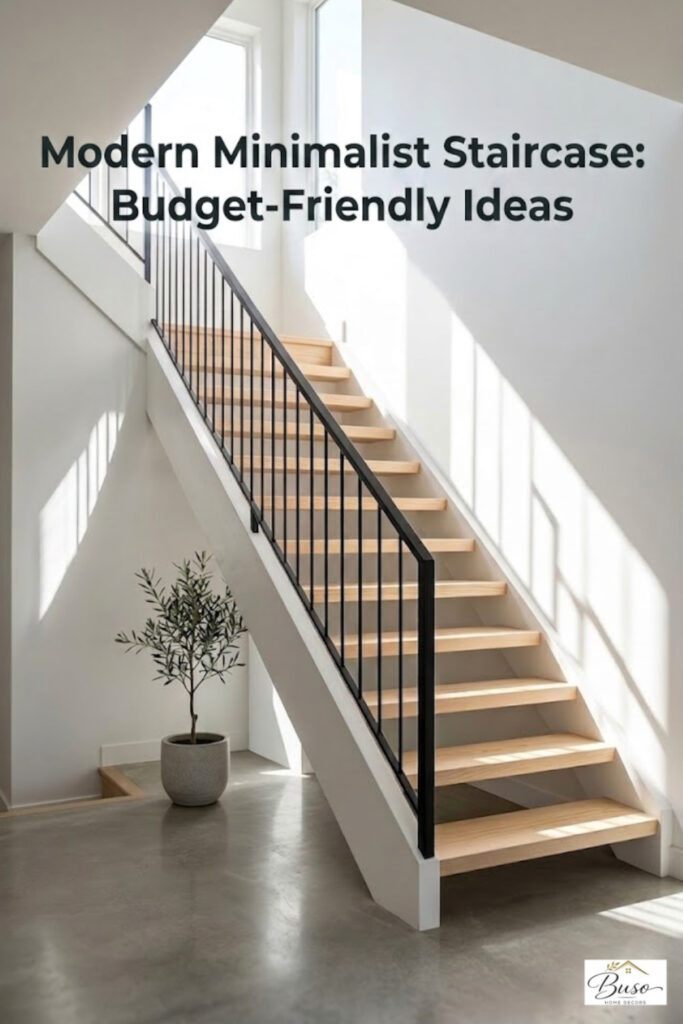
The Intersection of Minimalism and Bohemian Soul
The philosophy behind a minimalist staircase is rooted in the ‘less is more’ mantra, but when we add a bohemian twist, it becomes ‘less is more, but with heart.’ Traditional minimalism can sometimes feel cold or clinical, characterized by stark white walls and industrial materials. However, by introducing bohemian elements, such as natural woods, woven textures, and organic shapes, you soften those sharp edges. To begin this transformation, you must evaluate the current structure of your stairs. Are they hidden under heavy, dated carpeting? Is the banister overly ornate? The first step toward the best minimalist staircase is often subtraction rather than addition.
Stripping away the excess allows the architectural bones of your home to shine. If you have wooden treads underneath old carpet, you have found a gold mine. Sanding these down and applying a clear matte finish provides a perfect foundation for a boho-minimalist look. This process honors the natural imperfections of the wood, a key tenet of bohemian style, while maintaining the clean profile required for a minimalist aesthetic. For those working with tighter budgets, painting the risers a soft, creamy white while staining the treads a light oak color can create an incredible visual rhythm that draws the eye upward. This contrast is not just modern; it is timeless. When you lean into these minimalist staircase design principles, you aren’t just renovating; you are Curating an experience of movement through your home that feels intentional and serene.
Selecting Materials for a Springtime Refresh
Spring is synonymous with light and air, and your choice of materials should reflect that. To achieve the best minimalist staircase for a sun-drenched home, consider materials that reflect light rather than absorb it. Glass balustrades are a premium choice, but for a budget-friendly bohemian alternative, thin steel cables or simple slender wooden spindles can offer a similar sense of transparency. These options prevent the staircase from feeling like a heavy block in the middle of the room, allowing sightlines to remain open and clear.
Texture plays a massive role in the bohemian side of the equation. Consider adding a sisal or jute runner. While full carpeting can look heavy, a narrow natural-fiber runner provides warmth underfoot and a touch of earthiness without overwhelming the minimalist structure. Jute is incredibly durable and relatively inexpensive, making it a favorite for spring updates. Additionally, look at the hardware. Swapping out bulky, dated handrail brackets for sleek, matte black or brushed brass fixtures can instantly modernize the look. These small details are what separate a DIY project from a professional-grade installation. By focusing on high-quality textures like raw wood, natural fibers, and slim metal accents, you create a beautiful minimalist staircase that feels curated and expansive, echoing the freshness of the season outside.
Integrating Greenery and Natural Light
No bohemian-inspired space is complete without the inclusion of nature. During the spring, this becomes even more vital. To truly elevate your perfect minimalist staircase, you should look at how it interacts with light and life. If your staircase is near a window, use that light to your advantage by placing large, leafy plants like a Monstera or a Fiddle Leaf Fig at the landing or the base. The organic, sprawling shapes of the leaves provide a stunning contrast to the straight, rigid lines of the stairs.
If space is limited, consider ‘the best minimalist staircase’ hack: hanging planters. A trailing Pothos or String of Pearls draped from the upper floor along the side of the banister creates a living waterfall effect. This not only breathes life into the transitional space but also purifies the air, a perfect spring cleaning for your lungs. For those with a more ‘professional’ minimalist bent, keeping the plant styling restrained is key. Instead of a dozen small pots, choose one or two ‘statement’ plants in large, architectural ceramic planters. This keeps the area from looking cluttered while still embracing the boho-chic love for botany. Lighting also matters; if your staircase is in a dark corridor, consider installing low-profile LED strip lighting under the lip of each tread. This creates a floating effect that is both safe for nighttime navigation and incredibly high-end in appearance, proving that a beautiful minimalist staircase is as much about the atmosphere as it is about the materials.
Budget-Friendly DIY Hacks for a Professional Finish
You don’t need a five-figure budget to achieve a professional minimalist staircase look. One of the most effective DIY strategies is the use of ‘trompe l’oeil’ or visual tricks. If your railings are dated but structurally sound, don’t replace them, refinish them. Sanding down a chunky oak banister and staining it a deep, matte ebony can make it look like expensive wrought iron from a distance. Pair this with white-painted spindles, and you have a classic minimalist look that cost less than fifty dollars in materials.
Another great spring project is updating the risers. Bohemian style often embraces patterns, but to keep it minimalist, you must be selective. Consider applying peel-and-stick decals in a subtle, monochromatic geometric pattern to the risers only. This adds a ‘pop’ of personality without cluttering the visual field. If you prefer a cleaner look, simply painting the risers in a soft ‘Greige’ (a mix of grey and beige) can add depth and sophistication. When people see these minimalist staircase transformations, they often assume they were done by professional designers. The secret is in the consistency of the palette. Stick to three main tones: a wood tone, a neutral (white or cream), and an accent (black, brass, or soft sage green). By limiting your color story, you ensure that even the most budget-conscious DIY project looks like a cohesive, high-end design choice.
Maintaining the Minimalist Aesthetic Long-Term
The challenge with any minimalist design is maintenance. Because there is so little visual noise, any clutter that does accumulate becomes magnified. To keep the perfect minimalist staircase looking its best throughout the spring and into the summer, you need a system. The staircase often becomes a ‘drop zone’ for shoes, mail, and discarded jackets. To combat this while staying true to the bohemian vibe, place a large, hand-woven seagrass basket at the bottom of the stairs. This provides a designated spot for items that need to go upstairs, keeping the treads clear and the lines clean.
Regular cleaning is also essential. Natural wood treads and jute runners can trap dust and pollen, which are prevalent in the spring. A quick vacuum once a week and a damp microfiber cloth for the handrails will keep the materials looking fresh. If you have chosen a beautiful minimalist staircase with glass or metal elements, a vinegar-based cleaner is a great eco-friendly way to keep them streak-free. Remember, the goal of minimalism is to create a peaceful environment. By keeping the stairs clear of physical clutter, you also clear the mental clutter that comes with moving through your home. This sense of order is the ultimate luxury, providing a serene transition between the high-energy living areas of the ground floor and the private, restful spaces of the upper floor.
Structural Considerations and Modern Trends
While many of these ideas focus on surface-level changes, some may want to explore more significant structural updates. Currently, the trend in professional design is moving toward ‘cantilevered’ or floating stairs. While these are complex to install, you can mimic the look by removing the ‘stringers’ (the side supports) or painting them the same color as the wall to make them disappear. When you examine these minimalist staircase trends, you see a focus on transparency and weightlessness.
For a bohemian touch, consider the handrail shape. Instead of a traditional round or square rail, an ‘un-sanded’ look or a live-edge wooden rail can provide a tactile, organic connection to nature. This juxtaposition, a high-tech, floating structure paired with a raw, earthy handrail, is the epitome of modern boho-minimalism. Even if you aren’t doing a full structural overhaul, simply replacing a heavy wooden balustrade with thin black metal rods can change the entire profile of the room. These minimalist staircase designs work because they respect the architecture of the house while inviting the inhabitant to slow down and appreciate the craftsmanship. As we move further into the decade, the blend of technology and nature will only continue to grow, making this the perfect time to invest in the transitional areas of your home.
Frequently Asked Questions
How can I make my staircase look minimalist without a full renovation?
Focus on ‘decluttering’ the design. Remove old carpets, paint the structure in neutral tones like white or soft grey, and replace bulky handrail brackets with sleek, modern hardware. Adding a simple jute runner can add a boho touch without adding bulk.
What are the best colors for a bohemian minimalist look?
Stick to a palette of ‘earthy neutrals.’ Think warm whites, sandy beiges, muted sage greens, and natural wood tones. For contrast, use matte black or antique brass accents in the hardware.
Is a glass balustrade too expensive for a budget project?
While real glass can be pricey, you can achieve a similar ‘open’ feel using thin steel cables or very slender wooden spindles painted to match the walls. This creates the illusion of transparency at a fraction of the cost.
How do I incorporate plants into my staircase design?
Use the landings for large statement plants in ceramic pots, or use ‘wall-mounted’ planters along the staircase wall. Trailing plants like ivy or pothos are perfect for dapping over the side of the railings for a spring-fresh look.
Final Thoughts
Transforming your home for spring doesn’t require a total renovation of every room. By focusing your energy on a professional minimalist staircase, you create a ripple effect of style and order throughout your entire living space. The combination of clean, minimalist lines with the warm, textured elements of bohemian design offers a unique balance that is both sophisticated and incredibly welcoming. Whether you are stripping back old layers to reveal natural wood, adding life with springtime greenery, or using budget-friendly paint hacks to modernize your railings, the result is a home that feels more open, intentional, and alive.
A minimalist staircase is more than just a path between floors; it is a sculptural element that defines the character of your interior. As you embrace the light and energy of the spring season, let your home reflect that same sense of renewal. With a little creativity and a focus on quality materials, you can achieve a high-end look on a modest budget, proving that great design is accessible to everyone. Take the first step this spring toward a cleaner, more beautiful home.
📌 Found this helpful? Save this pin to your Pinterest boards so you can refer back to it later!