
Disclosure: This post contains affiliate links. If you purchase through these links, I may earn a small commission at no extra cost to you. Thank you for supporting my blog! 💕
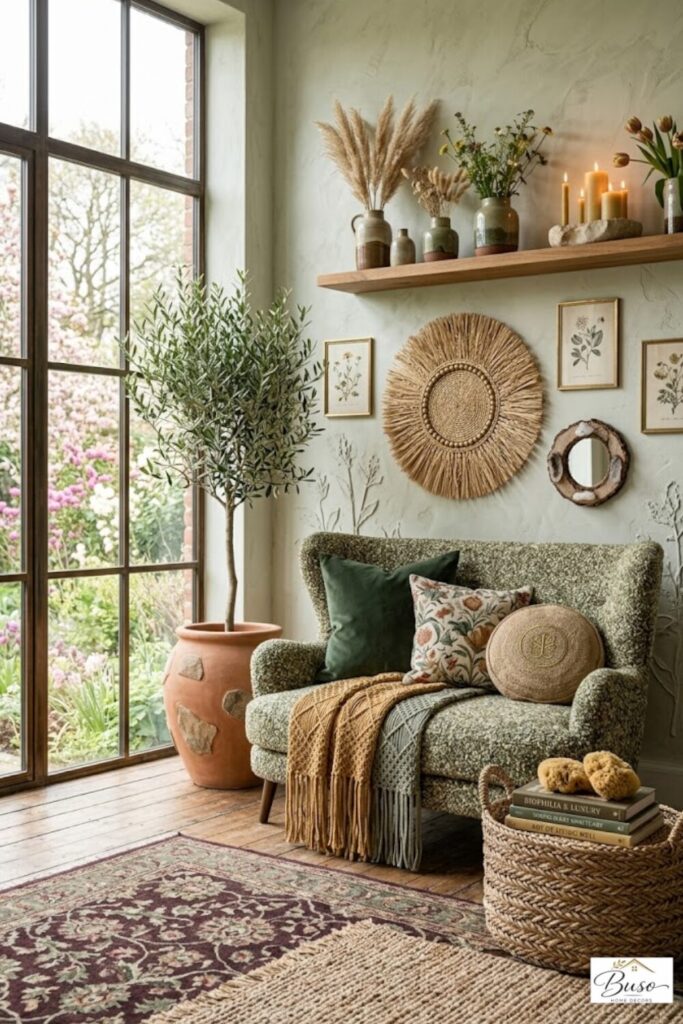
As the frost of winter melts away to reveal the budding potential of spring, homeowners often feel an instinctual urge to harmonize their indoor environments with the awakening world outside. This year, the intersection of high-end luxury and raw, organic aesthetics has given rise to a movement that prioritizes both wellness and style. A Biophilic living room is not merely a design trend; it is a fundamental shift in how we perceive our living spaces, moving away from sterile minimalism toward a sanctuary that celebrates the innate human connection to nature. This spring, we are looking at the ultimate bohemian refresh, where the free-spirited essence of Boho-chic meets the sophisticated principles of biophilic design.
Creating such a space requires more than just adding a few potted plants to a corner. It involves a deep understanding of light, texture, air quality, and the psychological impact of natural patterns. When we talk about a luxurious bohemian refresh, we are discussing the layering of high-quality natural materials, think sustainable woods, hand-woven textiles, and artisanal stone, to create an environment that feels lived-in yet curated. This approach is particularly effective during the spring months, as the increased natural light provides the perfect canvas to showcase the vibrant greens and earthy ochres that define this aesthetic.
In this comprehensive guide, we will explore the nuances of transforming your home into a verdant retreat. We will delve into the architectural elements that support natural airflow, the specific botanical choices that thrive in a luxury setting, and the bohemian accents that add warmth and personality. Whether you are starting from scratch or looking to update your current decor, these concepts will help you craft a space that breathes life into your home and fosters a sense of tranquility and rejuvenation that lasts long after the spring blossoms have faded.
The Foundation of Light and Air
The first step in establishing a beautiful living room that honors nature is to maximize the presence of natural light and fresh air. In a biophilic context, light is not just a utility but a dynamic design element that changes throughout the day, influencing our circadian rhythms and mood. To achieve a luxury look, consider replacing heavy, light-blocking drapery with sheer linen or bamboo shades that diffuse sunlight into a soft, ethereal glow. This allows the room to feel expansive and connected to the horizon.
Large windows are the soul of this design philosophy. If your architecture permits, expansive floor-to-ceiling glass panels or strategically placed skylights can transform the atmosphere. However, even in smaller spaces, you can mimic this effect by using oversized mirrors framed in reclaimed wood to bounce light into darker corners. A beautiful living room should feel as though the boundaries between the interior and the garden are blurred. This is further enhanced by ensuring proper ventilation. Incorporating automated window systems or even high-end ceiling fans with wooden blades can help circulate air, carrying the scent of fresh spring rain and blooming flowers into your sanctuary.
Beyond just the visual, the thermal comfort of a space plays a massive role in luxury. Utilizing materials like clay plaster or breathable masonry can help regulate temperature naturally. This organic approach to climate control is a hallmark of the best living room designs, where comfort is achieved through quality craftsmanship rather than mechanical force. By prioritizing these invisible elements, light and air, you set a stage where the more tactile bohemian elements can truly shine, creating a holistic experience that satisfies all the senses.
Sustainable Luxury: Materials and Textures
When curating a perfect living room, the choice of materials determines the longevity and the ‘soul’ of the space. In a bohemian-inspired biophilic setting, we move away from synthetic fibers and plastics in favor of materials that tell a story. Think of a solid live-edge walnut coffee table as a centerpiece, its natural grains and imperfections celebrated rather than hidden. This raw elegance is the cornerstone of modern luxury.
Layering textures is where the bohemian influence truly manifests. Start with a foundation of a large, hand-knotted jute or sisal rug to provide an earthy base. Over this, you might layer a softer wool rug with Moroccan-inspired geometric patterns. The contrast between the rough plant fibers and the soft wool creates a tactile playground that invites barefoot relaxation. For seating, choose sofas upholstered in heavy Belgian linen or organic cotton in shades of sand, stone, or terracotta. The goal is to create a perfect living room that feels grounded and authentic.
Don’t forget the accents that add a touch of the ‘luxe’ to the ‘boho’. Polished brass hardware, marble side tables, and hand-blown glass vases provide a necessary counterpoint to the more rustic elements. This juxtaposition is what separates a high-end biophilic space from a standard bohemian one. It’s about balance, finding the sweet spot where the wildness of nature meets the refinement of human artistry. By choosing sustainable, high-quality materials, you ensure that your spring refresh is not just a seasonal update but a lasting investment in a home that feels both timeless and deeply connected to the earth.
Curating Your Botanical Sanctuary
The defining characteristic of a Biophilic living room is, of course, the integration of plant life. However, in a luxury setting, this is handled with the precision of an art gallery. Instead of a cluttered collection of small pots, aim for ‘statement’ greenery. A tall, sculptural Fiddle Leaf Fig or a majestic Bird of Paradise can act as a living sculpture, drawing the eye upward and adding vertical interest to the room. These large-scale plants provide a sense of enclosure and privacy, mimicking the feeling of being in a lush forest clearing.
For a bohemian twist, consider incorporating vertical elements like hanging planters or a custom-built living wall. Macramé hangers made from organic cotton cord can hold trailing species like Pothos or String of Pearls, adding a whimsical, airy quality to the space. The key is to vary the heights and leaf textures. Broad, glossy leaves should be paired with delicate, feathery ferns to create visual depth. This variety is essential for a Biophilic living room because it replicates the biodiversity found in nature, which has been shown to reduce stress and improve cognitive function.
Maintenance is also a factor in luxury design. Consider investing in high-end self-watering planters or a professional plant care service to ensure your indoor garden remains vibrant and healthy. There is nothing less luxurious than a dying plant. By treating your flora as an integral part of the architecture rather than an afterthought, you create a space that feels alive and constantly evolving. The presence of these plants also improves indoor air quality, filtering out toxins and increasing oxygen levels, which is the ultimate luxury for your physical well-being.
The Bohemian Color Palette for Spring
Transitioning your home into the warmer months requires a color palette that reflects the brightness of the season while maintaining the warmth of a bohemian retreat. When designing these living room spaces, we often look to ‘earthy neutrals’ as a starting point. This includes cream, beige, and taupe, which provide a clean, calm backdrop. However, for a spring refresh, we inject life into this palette with muted jewel tones and botanical greens.
Sage green, moss, and forest green are natural choices that reinforce the biophilic connection. To add the bohemian flair, incorporate ‘sunset’ colors like burnt orange, ochre, and a dusty rose. These colors should appear in your textiles, cushions, throws, and wall tapestries. The beauty of these living room color schemes is their ability to feel both vibrant and grounding at the same time. The colors don’t compete with the plants; they complement them, creating a cohesive visual narrative that feels like an extension of the outdoors.
Furthermore, consider the use of pattern. Bohemian design is known for its love of global prints, from Ikat to Kilim. In a luxury context, these patterns should be used thoughtfully to avoid overwhelming the space. A single statement wall with a subtle botanical wallpaper or a few well-placed antique textiles can provide the necessary character. The goal is to evoke a sense of travel and wanderlust, suggesting a life well-lived and a deep appreciation for global craftsmanship. This spring, let your color choices reflect the optimism of the season, creating a space that is as sunshine-filled as it is stylish.
Sensory Details and Final Flourishes
To truly achieve the best living room experience, one must look beyond the visual and consider the auditory and olfactory senses. Biophilic design is a multi-sensory journey. A small, minimalist indoor water fountain can provide a gentle background sound that masks city noise and mimics the soothing effect of a forest stream. This subtle addition can significantly elevate the ‘luxury’ feel of the space, turning a standard room into a high-end spa-like retreat.
Scent is another powerful tool in your design arsenal. For a spring bohemian refresh, avoid synthetic air fresheners. Instead, use essential oil diffusers with scents like sandalwood, cedarwood, and neroli. These earthy, floral aromas enhance the feeling of being in a Biophilic living room and can even help lower blood pressure and anxiety. Additionally, consider the ‘sound’ of your materials. Soft surfaces like heavy rugs and wall hangings help dampen echoes, creating a quiet, intimate atmosphere that is perfect for conversation or meditation.
Finally, pay attention to the small details that tie the room together. Hand-carved wooden bowls, crystal clusters, and artisanal ceramics add the ‘collected’ look that is so vital to bohemian style. These objects should feel personal and significant. When all these elements, the light, the plants, the materials, and the sensory details, come together, you create the best living room possible: one that nourishes the soul, inspires the mind, and provides a beautiful, functional backdrop for your daily life. It is the ultimate expression of modern living, where luxury is defined by our connection to the natural world.
Frequently Asked Questions
What is the core of biophilic design in a living room?
The core of biophilic design is the integration of natural elements, such as light, plants, and organic materials, to improve the health and well-being of the inhabitants while creating a deep connection to the outdoors.
How can I make a bohemian style look luxurious?
To make bohemian style look luxurious, focus on high-quality materials like solid wood, silk, and linen. Avoid clutter by choosing a few ‘statement’ pieces and maintaining a cohesive, sophisticated color palette.
Are large plants better for biophilic living rooms?
Yes, large statement plants like Olive trees or Monstera Deliciosa are often preferred in luxury settings as they act as architectural features and provide a more significant psychological impact than many small pots.
What are the best spring colors for a biophilic home?
The best spring colors include earthy neutrals like cream and sand, accented with botanical greens (sage, moss) and warm, sun-kissed tones like ochre, terracotta, and soft blush.
Final Thoughts
Transforming your home with a Biophilic living room focus is a journey toward a more mindful and aesthetic way of life. By blending the untamed beauty of bohemian style with the structured elegance of high-end biophilic principles, you create a space that is not only visually stunning but also profoundly restorative. This spring refresh is about more than just changing decor; it is about reclaiming your living space as a site of wellness and inspiration.
As we have explored, the key lies in the balance between the raw and the refined. From the maximization of natural light to the careful selection of statement plants and sustainable materials, every choice contributes to a harmonious whole. The result is a sanctuary that feels both luxurious and deeply connected to the rhythms of the earth. As you move forward with your design, remember that the most beautiful spaces are those that reflect the personality of the inhabitants while honoring the environment. Embrace the verdant, the textured, and the light-filled, and enjoy the lasting benefits of a home that truly breathes.
📌 Found this helpful? Save this pin to your Pinterest boards so you can refer back to it later!