Disclosure: This post contains affiliate links. If you purchase through these links, I may earn a small commission at no extra cost to you. Thank you for supporting my blog! 💕
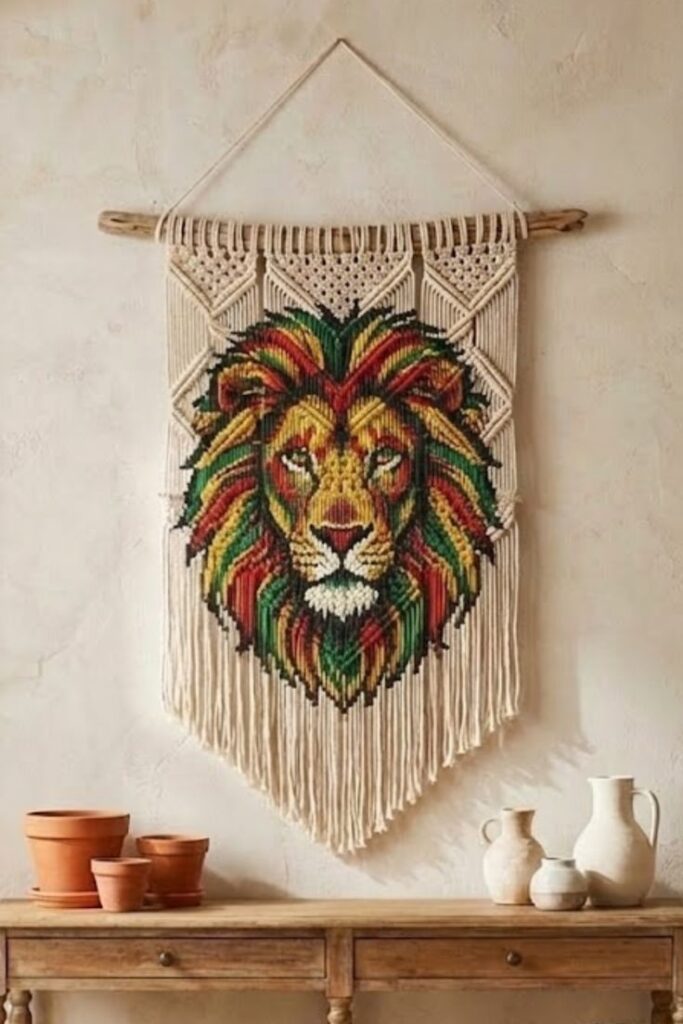
In the world of interior design, few styles have captured the modern imagination quite like the bohemian aesthetic. Known for its celebration of natural materials, earthy textures, and global influences, bohemian style invites warmth and personality into any living space. When designing a home that feels curated rather than cluttered, selecting the right focal point is essential. If you are searching for the ultimate boho woven statement wall art, look no further than the whimsical, majestic, and texture-rich lion head rattan wall decor.
This striking piece has taken the interior design world by storm, popping up in stylish nurseries, minimalist living rooms, and cozy reading nooks alike. It perfectly bridges the gap between playful childhood wonder and sophisticated artisanal craftsmanship. Rattan, a naturally renewable palm that grows in the tropical regions of Africa and Asia, has long been a darling of boho decorators. When woven into the intricate silhouette of a lion’s face, it creates a tactile and visual masterpiece that commands attention.
In this comprehensive guide, we will explore why this specific design has achieved cult status among interior stylists, how to style it effectively in different rooms of your home, and how to care for your natural fiber investments. Whether you want to soften a modern room with organic elements or add a touch of safari-inspired whimsy to a child’s space, this unique wall hanging is the design solution you’ve been looking for.
The Rise of Bohemian Aesthetics and Natural Textures
Modern interior design has shifted away from the cold, sterile minimalism of the early 2010s. Today, homeowners crave spaces that feel lived-in, cozy, and intrinsically connected to nature. This shift, heavily influenced by biophilic design principles, has propelled bohemian and organic-modern styles to the forefront of home trends. Central to this movement is the strategic use of natural fibers like rattan, bamboo, seagrass, and jute.
When looking for the best wall art, designers often gravitate towards materials that bring tactile interest to flat, drywall surfaces. Framed prints and canvas paintings certainly have their place, but they lack the three-dimensional depth that woven materials provide. A rattan piece projects slightly off the wall, casting subtle shadows that shift with the natural light throughout the day. This dynamic interaction with light and shadow makes three-dimensional woven pieces incredibly engaging.
Furthermore, neutral-toned organic fibers act as a grounding element. If your home features a clean, white-walled aesthetic, introducing a warm honey-colored rattan piece instantly softens the architecture. It introduces an organic geometry, curves, radiating fibers, and intricate braiding, that breaks up the harsh, straight lines of modern furniture and doorways. By opting for natural fibers, you bring an outdoor serenity indoors, creating a sanctuary-like environment that promotes relaxation and mindfulness.
Why the Lion Head Rattan Wall Art Captures the Imagination
The lion head rattan design is not just another home accessory; it is an artistic expression. Unlike abstract shapes, the face of a lion evokes immediate emotional resonance. Symbolically, the lion represents courage, strength, warmth, and protection. Incorporating this motif into your home creates an atmosphere of gentle strength and playful guardianship, which is precisely why it is so frequently selected for children’s spaces.
From a design standpoint, the genius of the piece lies in how the lion’s mane is constructed. Typically, artisans use frayed raffia, palm leaves, or split rattan reeds that fan outward from a central woven face. This radiating pattern mimics a sunburst, which is a classic mid-century and bohemian motif. This burst of texture draws the eye immediately, functioning as a beautiful wall art option that can easily anchors a room’s entire visual layout.
The neutral, golden-brown tones of the rattan and raffia allow the piece to blend seamlessly with various color palettes. Whether your walls are painted a deep forest green, a soft terracotta, or a crisp alabaster white, the lion head stands out beautifully without clashing. Its texture speaks louder than any bright color ever could, proving that neutral design does not have to be boring or predictable.
Craftsmanship and Sustainability: The Magic of Rattan
In an era of mass production and fast homeware, consumers are increasingly seeking out home decor with a story. Handcrafted rattan wall art represents a commitment to preservation of traditional weaving techniques and sustainable consumer choices. Rattan is a highly sustainable material; it is a fast-growing vine that relies on existing forest structures to climb, meaning its harvesting encourages the preservation of natural rainforests rather than deforestation.
Choosing these wall art pieces over mass-produced plastic or synthetic alternatives means you are introducing a completely biodegradable, eco-friendly item into your home. Each lion head is usually handcrafted by skilled artisans who spend hours weaving the intricate details of the snout, ears, and magnificent mane. Because of the handmade nature of these items, no two lion heads are completely identical. Subtle variations in the shade of the rattan, the thickness of the fibers, and the flare of the mane give each piece its own unique character.
When you hang a handcrafted rattan piece on your wall, you are displaying a functional work of art. The visible knots, the variations in weave tension, and the natural aroma of dried fibers connect you directly to the hands that made it. This human touch is exactly what bohemian design aims to celebrate, authenticity, slow craftsmanship, and respect for natural resources.
Styling Your Space: Where to Hang Your Lion Head
The versatility of this boho woven statement wall art is truly remarkable. While it is incredibly popular in nurseries, it can elevate several other rooms when styled correctly. Let’s explore how to integrate this magnificent piece across your home.
The Gender-Neutral Nursery: Create an enchanting safari theme by placing the lion head directly above the crib or changing table. It pairs beautifully with olive green crib sheets, brass light fixtures, and a plush cream rug. The friendly, textured face of the lion provides visual stimulation for developing infants while keeping the nursery looking sophisticated and calm for parents.
The Cozy Living Room:If you want to break up a large gallery wall of framed family photographs, use the lion head as a textural separator. Position it slightly offset from the center of the gallery to create an asymmetrical, relaxed look. Alternatively, hang it as a standalone piece over a mid-century modern credenza topped with trailing pothos plants and ceramic pottery.
The Playful Entryway: First impressions matter. Hanging this piece in your entryway above a wooden console table creates an immediate sense of warmth and creativity. It signals to guests that your home is a welcoming, creative space. It stands as the perfect wall art choice for those who want to balance minimalist clean lines with organic textures, making your entry passage feel instantly curated and inviting.
How to Care for and Clean Your Rattan Statement Piece
Because these wall art items are made of raw, natural fibers, maintaining them requires gentle care to ensure they look beautiful for years to come. Rattan and raffia are durable materials, but they are susceptible to dust accumulation and moisture if neglected.
To clean your lion head, start by using a soft-bristled brush or a clean paint brush to gently dislodge dust from the crevices of the weave and the individual strands of the mane. Avoid using stiff wire brushes, which can splinter the delicate fibers. Alternatively, you can use the upholstery brush attachment on your vacuum cleaner on the lowest suction setting to gently lift away dust without damaging the structure.
If the piece gets stained or dirty, use a slightly damp microfiber cloth with a tiny drop of mild dish soap to spot clean the area. Never saturate rattan with water, as excess moisture can cause the fibers to swell, warp, or even develop mold. Keep your lion head away from highly humid environments, such as unventilated bathrooms. Finally, try to avoid hanging your rattan art in direct, harsh sunlight for prolonged periods, as UV rays can dry out the natural fibers over time, making them brittle and causing the rich honey color to fade prematurely.
Frequently Asked Questions
Is the lion head rattan wall art heavy to hang?
No, despite its large visual presence, rattan and raffia are incredibly lightweight materials. Most lion head pieces weigh between one to three pounds, meaning they can be easily and safely hung using a simple picture hook, nail, or even a damage-free adhesive hook if you are renting.
Can I use this rattan piece in a covered outdoor patio?
Yes, but with caution. While it looks stunning in a bohemian outdoor lounge setting, raw rattan should not be exposed to direct rain, high humidity, or intense midday sunlight. It is best suited for a fully covered, dry porch or sunroom to prevent the fibers from warping or molding.
How do I straighten the raffia mane if it gets bent during shipping?
If the mane arrives slightly flattened or bent, do not worry! You can easily reshape it by gently misting the raffia with a small amount of clean water to make the fibers pliable, then gently combing them straight with your fingers. Lay it flat to dry completely before hanging.
Is this decor piece safe for a baby’s nursery?
Yes, it is highly safe as it is made from natural, non-toxic plant fibers. However, always ensure it is hung securely out of reach of the crib so that curious toddlers cannot pull it down. It should be used as a wall decoration, not a toy.
Final Thoughts
Incorporating natural textures into your home is one of the most effective ways to create a warm, inviting, and peaceful atmosphere. The lion head rattan wall art is far more than a passing home decor trend; it is a timeless celebration of artisanal skill, natural beauty, and playful design.
Ultimately, adding a boho woven statement wall art piece like the lion head rattan is about more than just filling blank space, it’s about infusing your home with personality, warmth, and a touch of wild charm. By selecting handcrafted, sustainable items, you choose to surround yourself with objects that tell a story of global craftsmanship and environmental responsibility. Let this majestic lion guard your favorite room, add textural depth to your walls, and serve as a daily reminder of the beautiful simplicity of natural design.
📌 Found this helpful? Save this pin to your Pinterest boards so you can refer back to it later!