
Disclosure: This post contains affiliate links. If you purchase through these links, I may earn a small commission at no extra cost to you. Thank you for supporting my blog! 💕
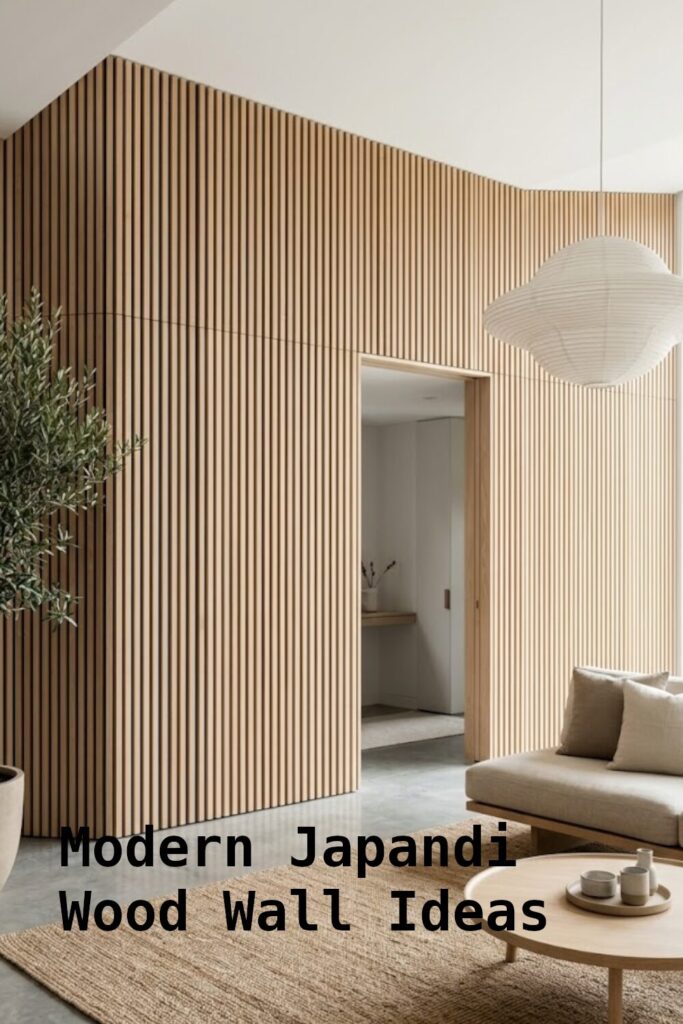
As the frost of winter fades and the vibrant energy of spring begins to take hold, homeowners everywhere are looking for ways to breathe new life into their interior spaces. One of the most captivating trends to emerge in recent years is the fusion of Japanese minimalism and Scandinavian functionality, known as Japandi. This aesthetic emphasizes clean lines, natural materials, and a sense of wabi-sabi that creates a serene atmosphere. Central to this design movement is the Japandi slatted wall, a structural element that adds depth, texture, and architectural interest to any room.
Whether you are renovating a living room, bedroom, or home office, the inclusion of vertical wood slats provides an immediate sense of warmth and sophistication. The vertical lines draw the eye upward, making ceilings feel higher and spaces more expansive. This is particularly effective during the spring months when we seek to open up our homes and let in the light. In this guide, we will explore how this specific design choice serves as the ultimate anchor for a spring boho transformation, blending the organic textures of Bohemian style with the structured elegance of East-meets-West design.
By the end of this deep dive, you will understand how to curate a home that feels both grounded and light. We will discuss the materials that define the look, the styling techniques that bring the ‘boho’ vibe to life, and the practical reasons why wood slatting is more than just a visual upgrade. It is about creating a sanctuary where the stresses of the outside world melt away, replaced by the soothing presence of natural textures and soft, diffused lighting. Prepare to transform your living space into a masterclass of modern design.
The Essence of Japandi Design in Modern Homes
Japandi is more than just a buzzword; it is a philosophy that values quality over quantity and craftsmanship over mass production. When you decide to install the best slatted wall for your project, you are committing to a look that priorities sustainability and natural beauty. The Scandinavian side brings light woods like ash, oak, and pine into the mix, emphasizing the concept of hygge. Meanwhile, the Japanese influence introduces darker accents or perfectly spaced intervals that evoke the feeling of a traditional shoji screen.
The beauty of this approach is its versatility. In a boho-inspired home, you might traditionally see a lot of visual noise, plants, macramé, and eclectic rugs. However, by introducing a structured wood element, you provide a visual rest for the eyes. It balances the wild nature of bohemian decor with the calm nature of minimalism. Using these slatted wall systems allows you to hide imperfections in your existing walls while creating a backdrop that makes your indoor greenery pop. Imagine a large Monstera leaf leaning against the light oak of a precision-cut panel; the contrast between the organic curves of the leaf and the rigid geometry of the wood is the hallmark of modern interior design.
Furthermore, the acoustic benefits of these installations cannot be ignored. Many of the high-quality panels available on the market today are backed with acoustic felt, which helps dampen noise and reduce echo. This makes your home not just look better, but feel more peaceful, a core tenet of the Japandi lifestyle. It is about creating an environment that supports mental clarity. By choosing the best slatted wall products, you are investing in a durable solution that bridges the gap between high-end architectural design and accessible home DIY. The result is a space that feels curated, intentional, and deeply connected to the natural world.
Why a Slatted Wood Wall is the Perfect Spring Upgrade
Spring is a season of renewal, and there is no better way to celebrate this than by introducing a perfect slatted wall into your main living area. During this time of year, natural light changes significantly. The sun sits higher in the sky, and the shadows cast by vertical slats create a dynamic environment that shifts throughout the day. This play of light and shadow is a key component of the boho-chic aesthetic, which thrives on movement and life.
To truly embrace the spring theme, consider the wood’s finish very carefully. Lighter stains reflect more sunlight, helping to brighten rooms that may have felt cave-like during the winter months. Integrating these slatted wall panels near windows allows the morning light to catch the edges of the wood, highlighting the grain and the craftsmanship of the installation. You can further the spring vibe by pairing the wall with light, airy textiles. Swap out heavy wool blankets for linen throws in sage green, terracotta, or muted ochre. These colors harmonize beautifully with the natural wood tones, bridging the gap between the structured wall and the soft, comfortable elements of your home.
Another reason why this is the ultimate spring upgrade is the opportunity for vertical gardening. Because the slats provide a solid but textured surface, you can easily mount small planters or air plant holders directly onto the wall or in the gaps between the slats. This creates a living wall effect that is quintessentially boho but kept in check by the Japandi framework. It allows you to bring the blooming outdoors inside, celebrating the arrival of spring in every corner of your home. A perfect slatted wall serves as a trellis for indoor vines, allowing them to climb and weave through the timber, creating a fusion of nature and architecture that is breathtaking to behold.
Integrating Boho Elements with Your Slatted Installation
Styling a Japandi slatted wall requires a delicate balance of textures and tones. The Boho part of the equation comes from the soul, vintage finds, handmade pottery, and layered rugs. The Japandi part comes from the discipline of the layout. To achieve this, start with your wall as the primary focal point. Because it is a beautiful slatted wall, you do not need to cover it with heavy art pieces. Instead, let the wood speak for itself and use it as a canvas for a few carefully selected items.
Think about incorporating tactile materials like rattan, jute, and seagrass. A large jute rug at the base of your slatted feature wall anchors the space and adds another layer of natural fiber. Furniture should be low-profile and functional, following the Scandinavian tradition, but with the soft edges and comfortable cushions found in Bohemian spaces. A low-slung lounge chair in a neutral cream fabric looks stunning against a backdrop of dark walnut or light oak slats. This creates a reading nook that feels private and cozy.
Lighting is the final piece of the styling puzzle. To highlight the texture of the best slatted wall, use wash lighting from above or up-lighting from the floor. This accentuates the depth of the slats and creates a cozy, moody atmosphere for spring evenings. Incorporating a few brass or copper accents, perhaps a floor lamp or a small tray, can add a touch of warmth and luxury that complements the earthy tones of the wood. The goal is to create a space that feels curated but lived-in, where every object has a purpose and a story, all held together by the elegant, linear lines of your wood installation. It is this marriage of strict lines and soft textures that defines the modern boho-Japandi aesthetic.
Installation and Maintenance Tips for Longevity
For those looking to undertake a Japandi slatted wall project this spring, the good news is that modern products have made installation easier than ever. You no longer need to be a master carpenter to achieve a professional finish. Pre-fabricated panels are the go-to choice for most DIY enthusiasts. These panels typically come in manageable sizes and can be cut to fit your specific wall dimensions using a standard saw. The ease of use is what makes these beautiful slatted wall solutions so popular for weekend renovations.
When planning your installation, consider whether you want a full floor-to-ceiling feature or a half-wall wainscoting effect. A full wall creates a dramatic, immersive environment, while a half-wall provides a more subtle touch of texture and can serve as a sophisticated headboard in a bedroom. Regardless of the scale, using a perfect slatted wall kit ensures that the spacing between the slats is perfectly uniform, which is crucial for achieving that precise Japanese-inspired look. Uniformity is key to the aesthetic; any deviation in spacing can ruin the minimalist appeal.
Preparation of the substrate is also vital. Ensure your base wall is clean and painted a dark color, such as charcoal, if the panels do not come with a built-in backing. This creates the illusion of depth behind the wood. If you are using these panels with acoustic felt, you can often screw them directly into the wall studs or use a high-strength construction adhesive. Maintenance is equally simple: a quick dusting with a microfiber cloth or a vacuum attachment with a soft brush is all that is needed to keep the wood looking pristine. With minimal effort, you can transform a drab drywall surface into a high-end architectural feature that will last for decades, providing a timeless backdrop for your evolving boho style.
Frequently Asked Questions
What is the best wood for a Japandi wall?
Light woods like Oak, Ash, or Maple are traditional for the Scandi side of Japandi, but Walnut or charred finishes offer a rich, moody Japanese alternative.
Can I install a slatted wall in a bathroom?
Yes, provided the wood is properly treated for moisture or you use a moisture-resistant composite material that mimics the look of natural wood.
Does a slatted wall help with noise reduction?
Yes, many slatted panels come with acoustic felt backings that significantly reduce echo and sound transmission, making them ideal for home offices.
Is a slatted wall installation expensive?
While custom carpentry can be costly, DIY pre-fabricated panels are an affordable way to achieve a high-end architectural look on a budget.
Final Thoughts
Embracing the Japandi aesthetic through a slatted wood installation is more than just a design trend; it is a way to harmonize your living environment with the natural world. As we move into the brighter days of spring, the warmth and texture of a Japandi slatted wall provide the perfect foundation for a home that feels both modern and soulfully Bohemian. By combining the structured elegance of wood slats with the soft, eclectic elements of boho style, you create a space that is unique, functional, and incredibly inviting.
Whether you choose to go the DIY route with a perfect slatted wall kit or hire a professional to create a custom masterpiece, the result will undoubtedly be the highlight of your home. It offers a timeless appeal that transcends seasonal fads, ensuring that your spring transformation remains relevant and beautiful for years to come. Start your journey today and discover how the simple addition of vertical wood can completely redefine your sense of home, turning every room into a peaceful retreat filled with light, texture, and impeccable style.
📌 Found this helpful? Save this pin to your Pinterest boards so you can refer back to it later!