
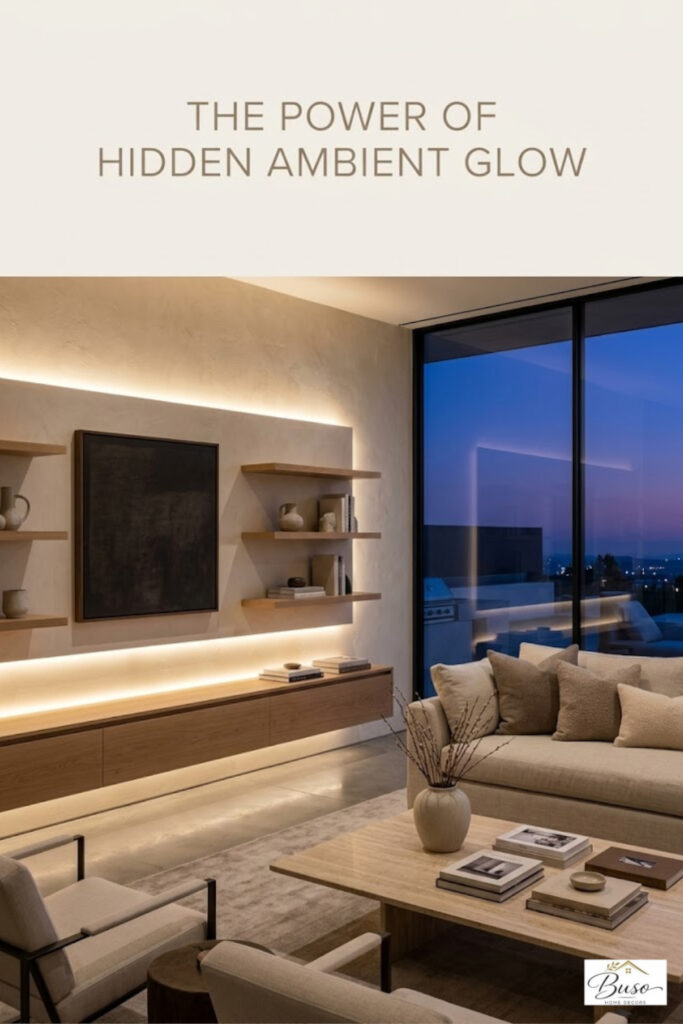
Lighting is the ultimate invisible layer of interior design. You can source the finest travertine coffee tables, layer the most exquisite Belgian linens, and install custom geometric woodwork, but if your space relies on harsh, overhead recessed “can” lights, the premium feel evaporates.
The secret to achieving that high-end, boutique-hotel atmosphere at home doesn’t lie in brighter bulbs, it lies in architectural backlighting. By hiding the physical light source and allowing a soft, diffused glow to wash over textured surfaces, you introduce instant depth, drama, and a comforting warmth to your living room.
Here is how to design with hidden illumination to completely transform your modern living spaces.
1. The Psychology of the Hidden Glow
Traditional lighting setups force your eyes to look directly at a bulb or fixture, which creates high-contrast glare and visual fatigue. Backlighting operates on the principle of indirect luminance. The light bounces off a secondary surface, like a microcement wall, a plaster backdrop, or a rich wood panel, before it ever reaches your eyes.
This diffused reflection softens the boundaries of a room, making small spaces feel significantly larger and giving large spaces an intimate, sanctuary-like aesthetic. It shifts the mood of a home from an active, high-energy environment during the day to a deeply relaxing, low-cortisol retreat at night.
2. Choosing Your Light Profile: Color Temperature & Quality
Before peeling the adhesive backing off any LED strip, you must understand the technical specs that separate cheap, arcade-like lighting from luxury architectural illumination.
The Designer’s Kelvin Guide
2200K – 2400K (Candlelight Warmth): Absolute luxury tier for low-level accent lines, kicks, and deep under-cabinet or floating shelf backlighting. It mimics the golden hour.
2700K (Warm White): The gold standard for general residential living spaces. It feels cozy and welcoming without looking overly orange.
3000K+ (Neutral White): Avoid this in relaxation zones. It belongs in workspaces, garages, or high-intensity task environments.
Beyond color temperature, always opt for COB (Chip-on-Board) LED strips or high-density “dotless” setups. Standard, low-tier LED tape leaves individual, visible points of light reflected in polished surfaces. COB LEDs provide a completely seamless, continuous line of light.
3. Top 3 Architectural Integration Techniques
To make backlighting look built-in rather than tacked-on, the lighting must be seamlessly integrated into the structural lines of your room design.
┌────────────────────────────────────────────────────────┐
│               WALL / SURFACE INTERIOR                  │
│                                                        │
│   [LED Strip] ──► (Hides inside a recessed channel)    │
│        │                                               │
│         └──► Diffuses light outward over the panel     │
└────────────────────────────────────────────────────────┘

A. The Floating 3D Artwork Reveal
Instead of shining an overhead picture light down onto a canvas, mount custom geometric wood reliefs or organic fiber panels on a secondary sub-frame that sits 1.5 to 2 inches off the wall. Run a continuous COB LED strip around the perimeter of this hidden back-frame, facing inward or slightly outward toward the wall. When illuminated, the sculptural silhouette of your art piece hovers within a halo of warm light.
B. The Recessed Slat-Wall Valance
If you have a Japandi-style slatted wood feature wall, don’t let it stop abruptly at the ceiling. Build a slight drop-down drywall valance or soffit at the top. Tuck your LED strip inside this channel, pointing down into the vertical wood slats. The shadows created between each timber slat will lengthen, dramatically multiplying the visual texture of your woodwork.
C. The Shadow-Gap Floating Shelf
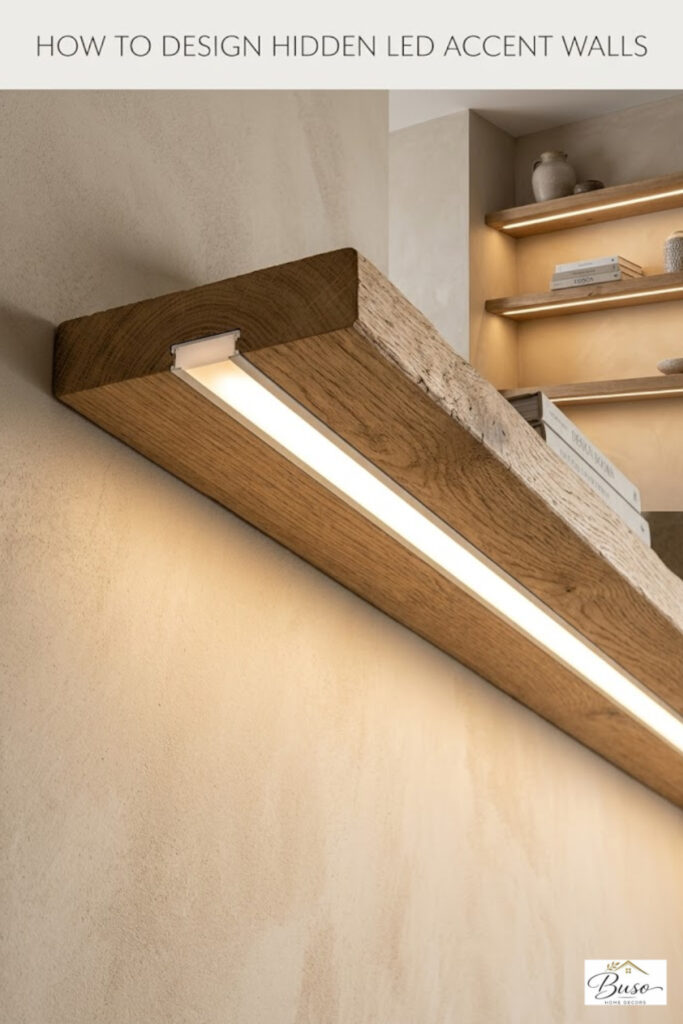
Floating shelves are standard home decor elements, but they become architectural statements when you rout a shallow channel along the bottom-rear or top-rear edge of the timber. Insert an aluminum LED track with a frosted diffuser flush into the wood. This illuminates the items on the shelf below while casting a soft glow upward against your curated shelf decor pieces.
4. The Backlighting Execution Checklist
To ensure a flawless technical setup, review this checklist during the planning phase of your living room refresh:
-
Utilize Aluminum Channels: Never stick bare LED tape directly to wood or drywall. Always mount them inside aluminum tracks with frosted covers to diffuse the light evenly and dissipate heat.
-
Hide the Transformers: LED strips require low-voltage power drivers. Plan a hidden, accessible location for these blocks (like inside an adjacent cabinet or a nearby utility closet) so they can be replaced if needed without tearing down drywall.
-
Smart Dimming Compatibility: Ensure your power drivers are dimmable and link them to smart home switches or wall dimmers to easily lower the illumination level to a subtle 10% accent glow at night.
-
Incorporate Shadow Reveals: Maintain a minimum 1-inch clearance gap between the light source and the wall surface to prevent harsh, hot spots of light.
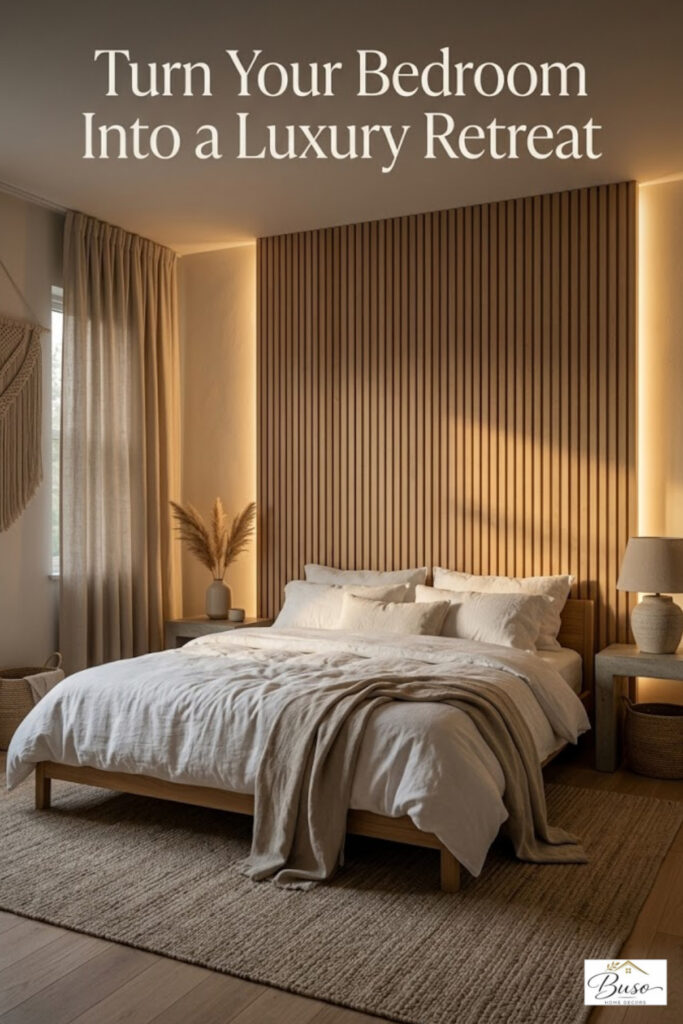
By prioritizing hidden illumination, you turn your home’s structural lines into the artwork itself. It is a subtle, high-impact design choice that immediately elevates your home into a relaxing sanctuary.